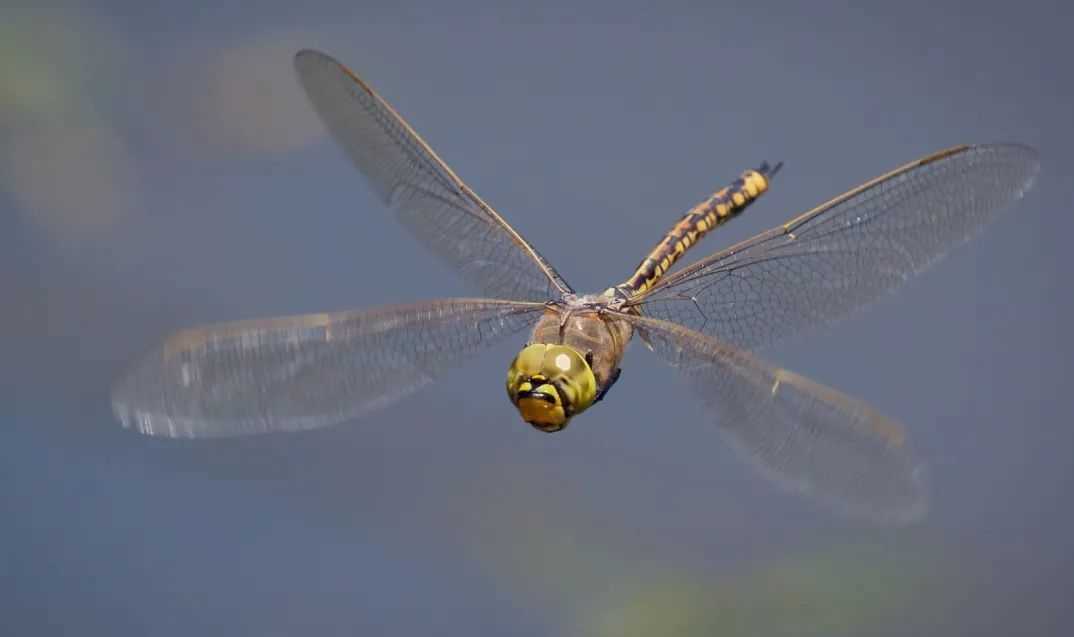
The Alien-Looking Insect of the Blephariceridae Family
Members of the net-winged midge family (Blephariceridae) resemble extraterrestrial creatures, thriving in the turbulent waters of fast-flowing streams and waterfalls. Their larvae possess a remarkable adaptation: numerous suction cups on the ventral side of their bodies, allowing them to cling tenaciously to slippery rocks amid raging currents. This unique morphology enables them to withstand the force of rushing water while feeding.
1 minute read
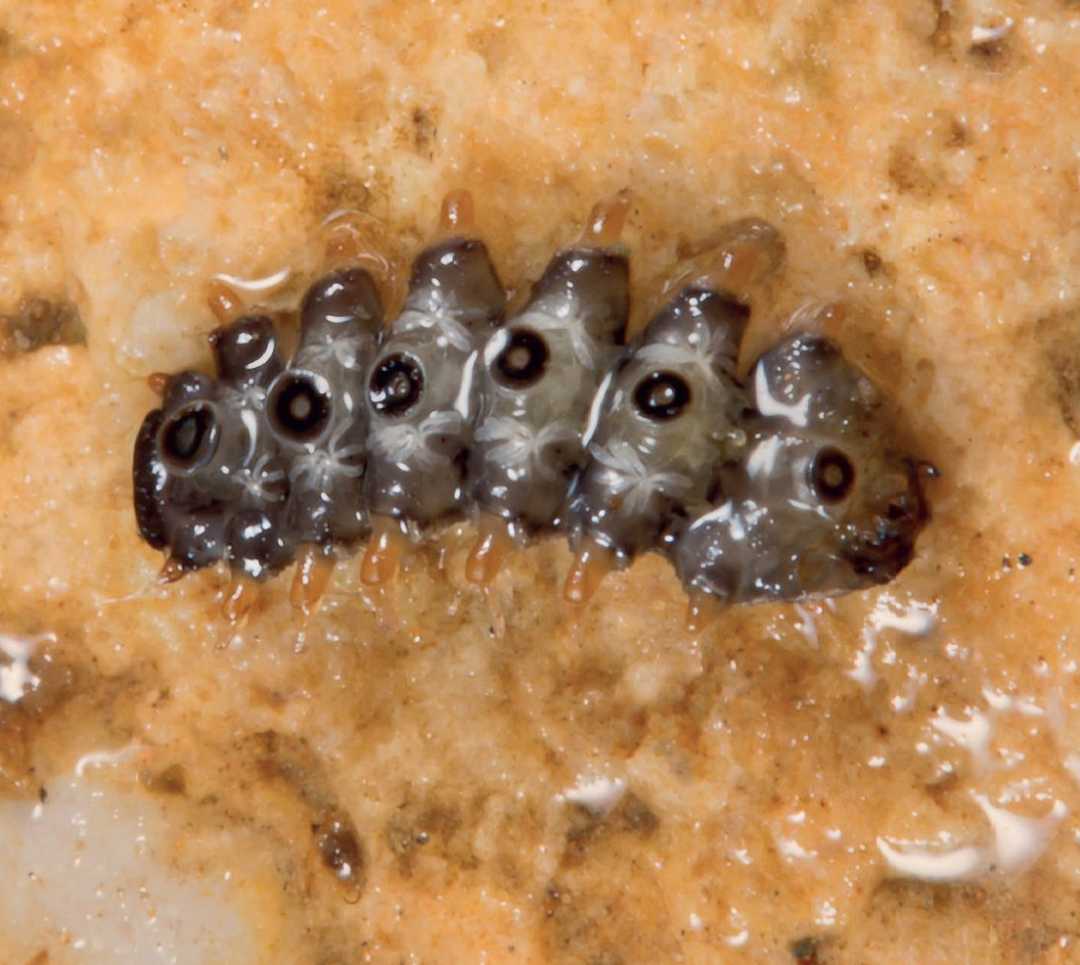
Tiger Beetles (Cicindelidae): Nature's Speed Demons and Fierce Predators
Tiger beetles, members of the family Cicindelidae, are renowned for their dazzling iridescence, aggressive predatory behavior, and unmatched speed—making them some of the most captivating insects in the animal kingdom. These beetles combine stunning aesthetics with remarkable adaptations, thriving in diverse habitats from sandy beaches to forest floors.
2 minute read
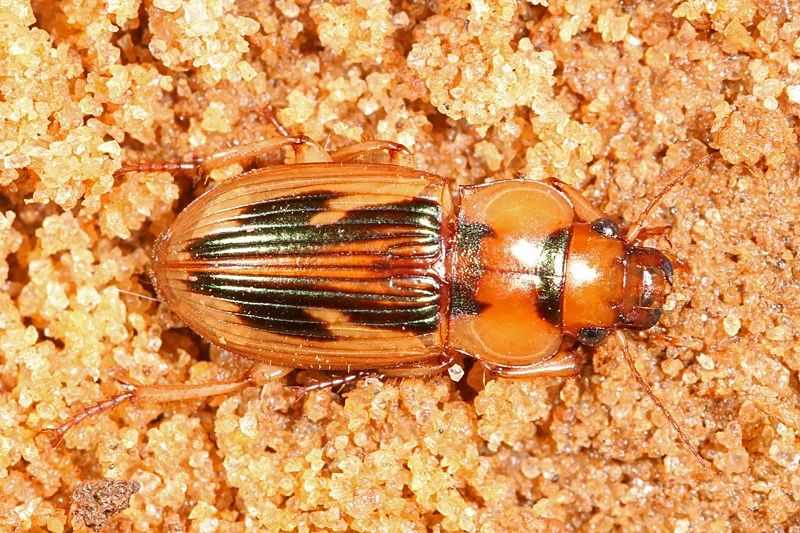
Scarab Beetles (Scarabaeidae): Jewels of the Insect World
Scarab beetles, comprising the family Scarabaeidae, are a diverse group of coleopterans renowned for their often iridescent exoskeletons, distinctive morphology, and ecological significance. With over 30,000 species worldwide, they inhabit almost every terrestrial ecosystem, from deserts to rainforests.
2 minute read
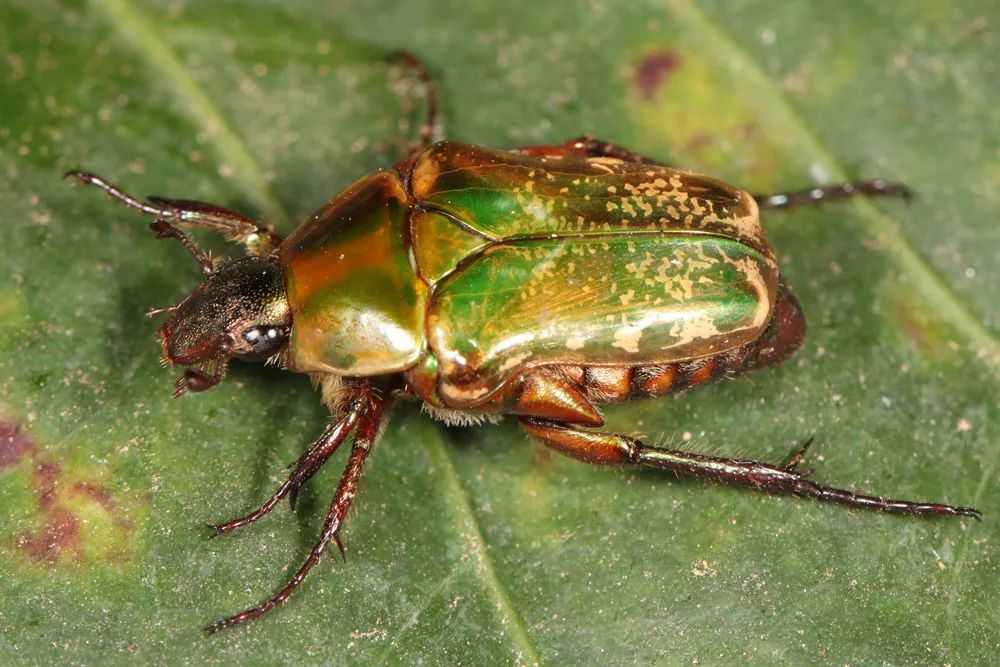
Click Beetles: Nature's Acrobatic Jumpers with a Startling Survival Trick
Click beetles, members of the family Elateridae, captivate with their unique ability to launch themselves into the air with an audible "click," a defense mechanism that has fascinated scientists and nature enthusiasts alike. Found worldwide, these beetles blend the mundane with the extraordinary, combining a modest 外形 with a spectacular biological adaptation.
1 minute read
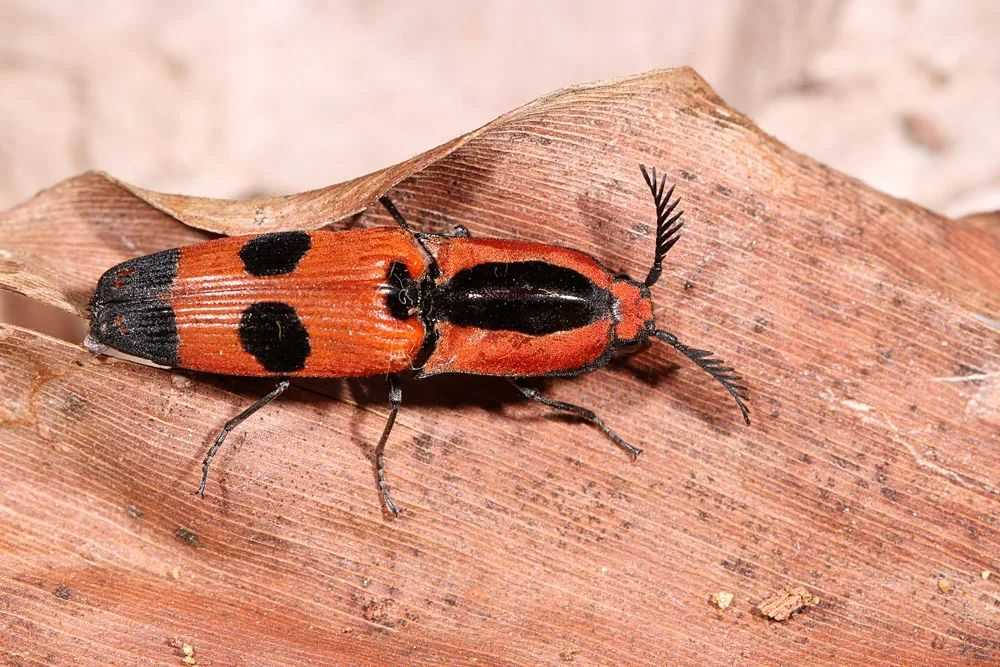
Jewel Beetles: Nature's Living Gems with Iridescent Armor
Jewel beetles, belonging to the family Buprestidae, dazzle with metallic hues that rival precious stones, earning them names like "jewel bugs" or "metallic wood-borers." Found across the globe, these beetles combine stunning aesthetics with a unique life cycle, captivating both entomologists and nature enthusiasts. Their elytra, often emerald green, sapphire blue, or coppery red, derive their brilliance from structural coloration—microscopic ridges that refract light.
1 minute read
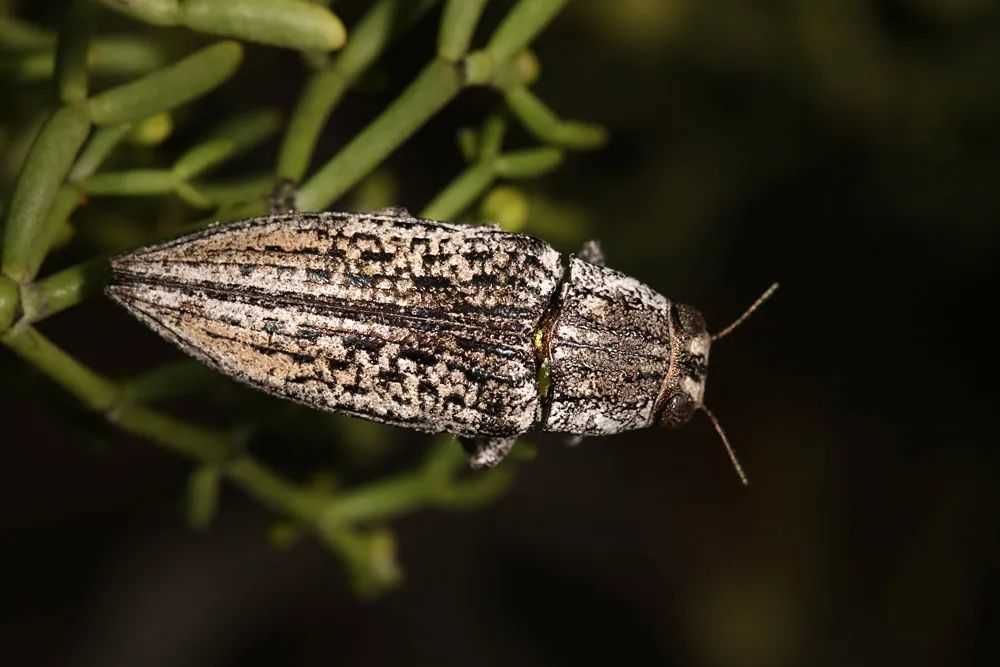
Lepidoptera: The Winged Wonders Shaping Ecosystems and Cultural Imagination
Lepidoptera, an order encompassing butterflies and moths, enchants with its unparalleled diversity and ethereal beauty. With over 180,000 known species worldwide, these insects captivate through their intricately patterned wings, formed by countless overlapping scales. From the vibrant Monarch butterflies migrating across continents to the nocturnal moths camouflaged against tree bark, Lepidoptera's ecological and cultural significance is as vast as their wingspans.
1 minute read
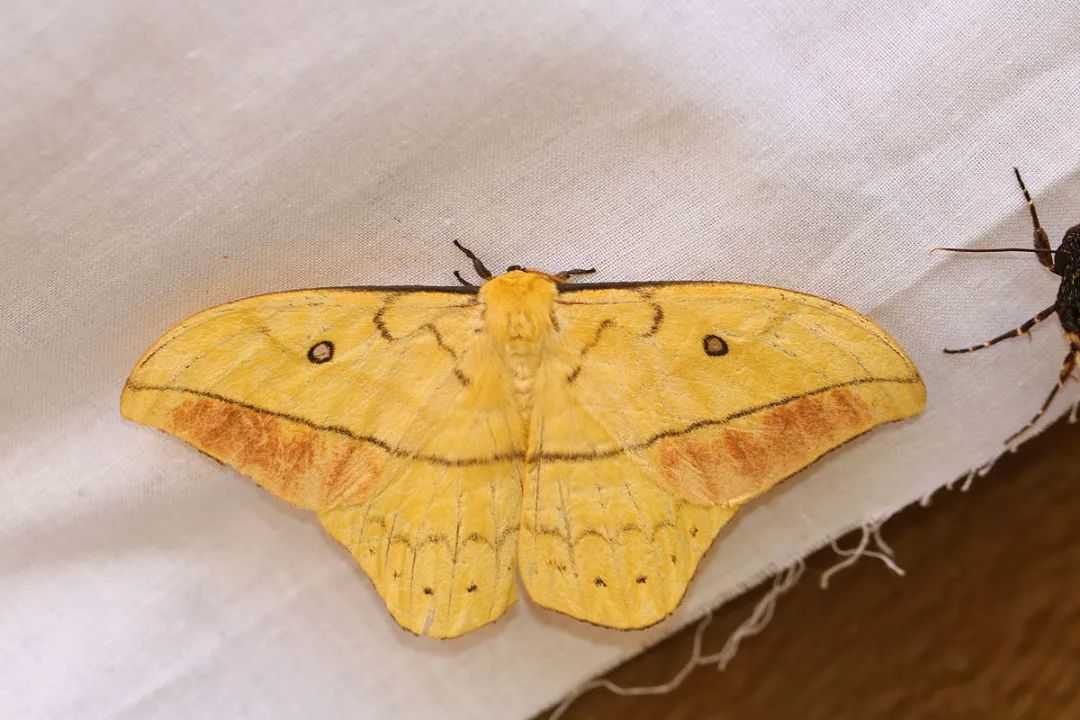
The Mysterious Disappearance of the Nine-Spotted Ladybug
The nine-spotted ladybug, Coccinella novemnotata, once held a place of prominence across North America. In the United States, it was even designated as the official insect of New York State, symbolizing its significance. This species was once widespread throughout the US and Canada, playing a crucial role in the agricultural ecosystem. Famously, it was a voracious predator of aphids and other pest insects, acting as a natural form of pest control and helping farmers safeguard their crops without the heavy use of pesticides.
1 minute read
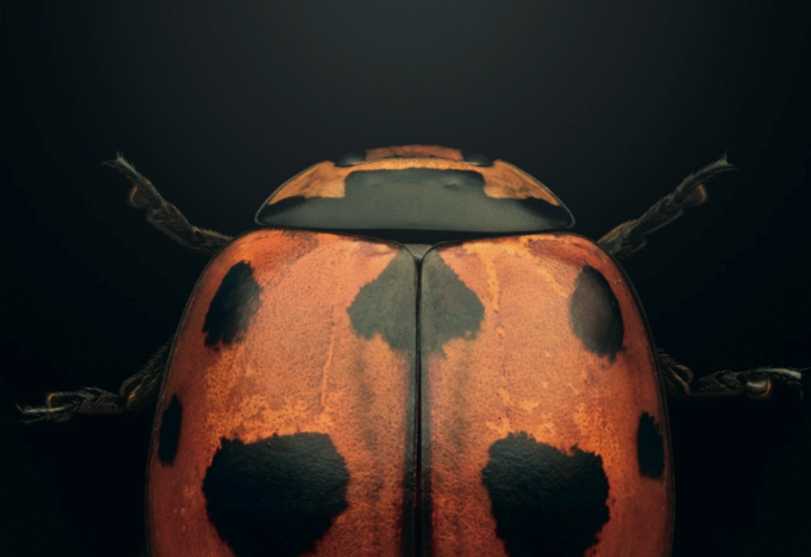
The Elusive White-striped Clouded Chafer: A Rare Californian Insect
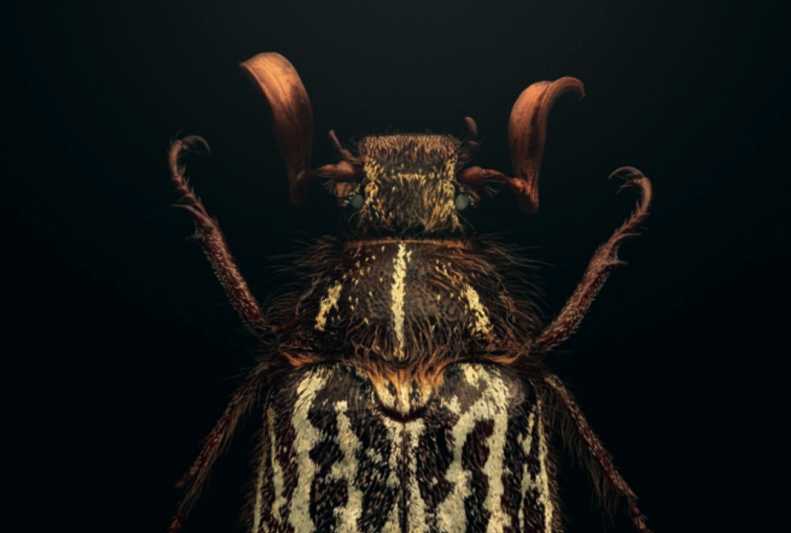
The white-striped clouded chafer, scientifically known as Polyphylla variolosa, is a unique and somewhat mysterious insect within the family Scarabaeidae. This species is notable for its distinct appearance and its significance within the ecosystems it inhabits, although much about its current status remains a concern.
1 minute read
The Resilient Return of the Lord Howe Island Stick Insect
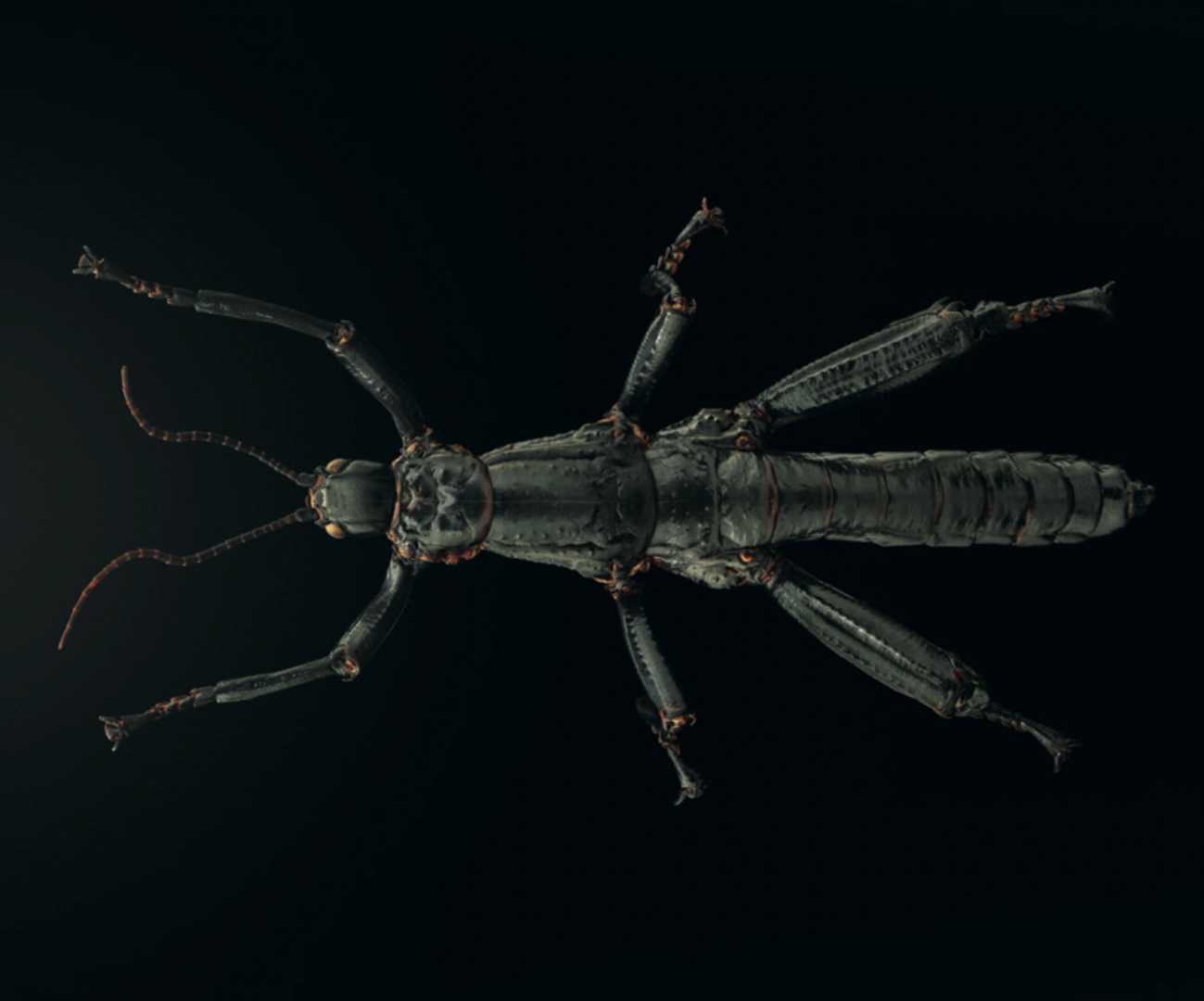
The Lord Howe Island stick insect, scientifically known as Dryococelus australis, is a remarkable insect that has captured the attention of the scientific community and nature enthusiasts alike. This species, often referred to as the "land lobster" due to its large size and robust appearance, has a unique and compelling story of near - extinction and subsequent rediscovery.
2 minute read
Mysterious Declines: American Burying Beetles in the East and European Yellow - Bordered Hornets
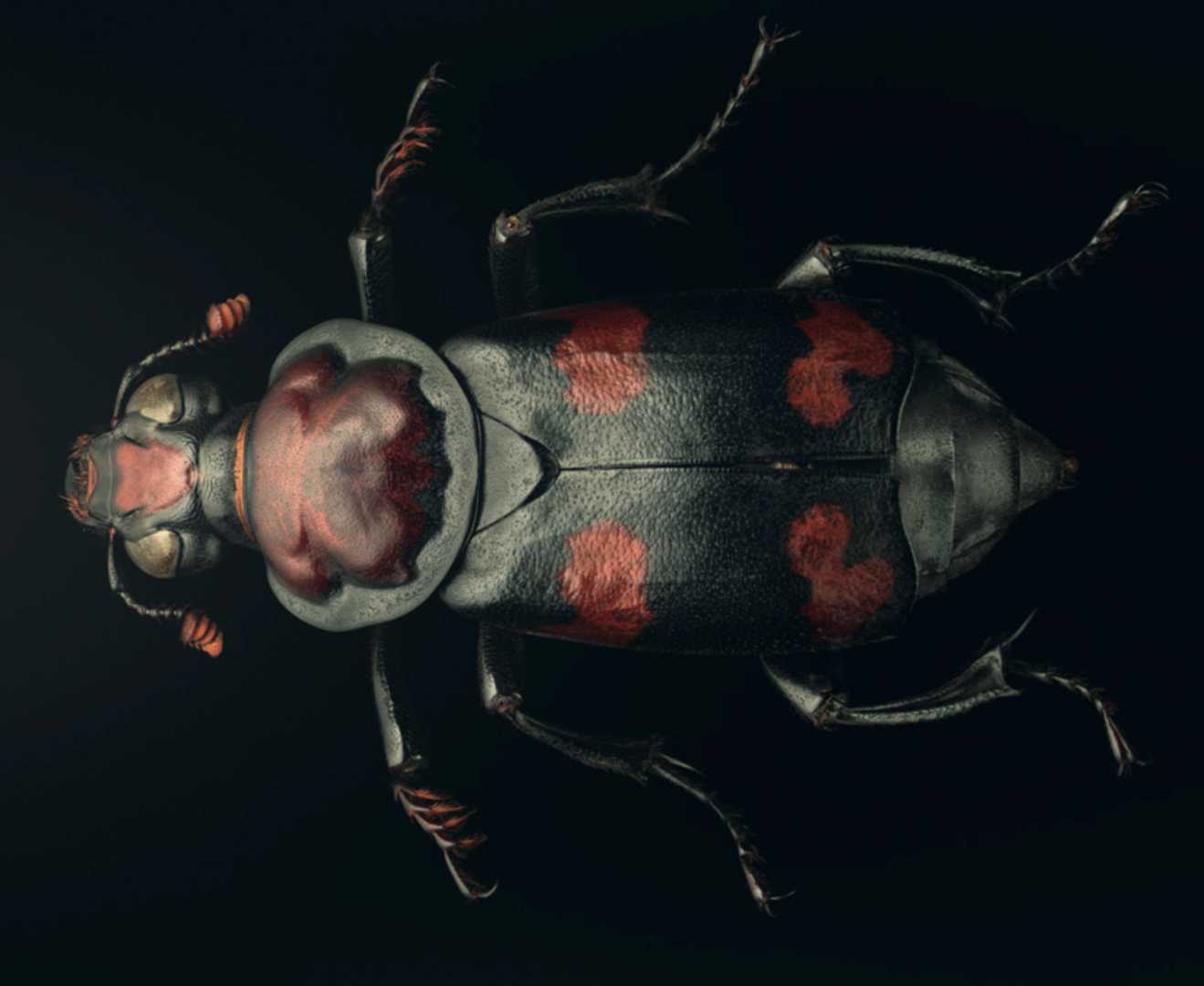
In the vast expanse of North America's eastern regions, the American burying beetle, a large and highly recognizable carrion beetle, was once a common sight. With its distinct black body adorned by orange - red patches on the elytra and pronotum, it played a crucial ecological role as nature's decomposer. These beetles, which can reach lengths of 25 - 45 mm, were known for their unique behavior of burying small animal carcasses, such as those of birds or rodents, to use as a food source for their offspring.
1 minute read
The Giant Bumblebee: Bombus dahlbomii
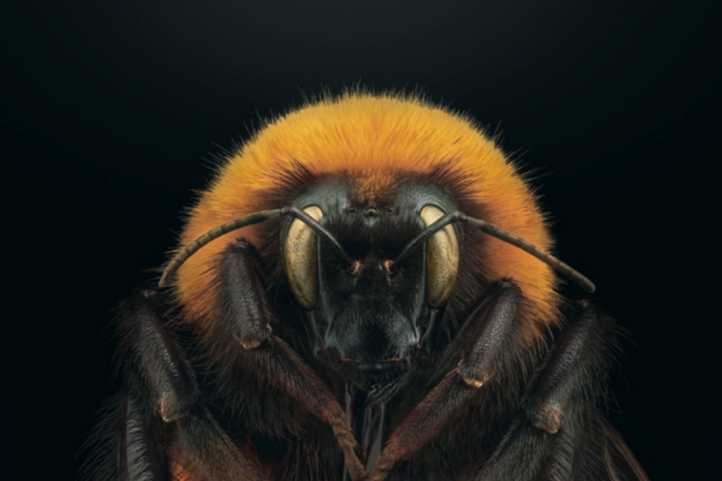
Bombus dahlbomii, often referred to as the "flying mouse", is one of the largest bumblebees in the world. It is the only native bumblebee species in southern South America, occupying a unique ecological niche.
1 minute read
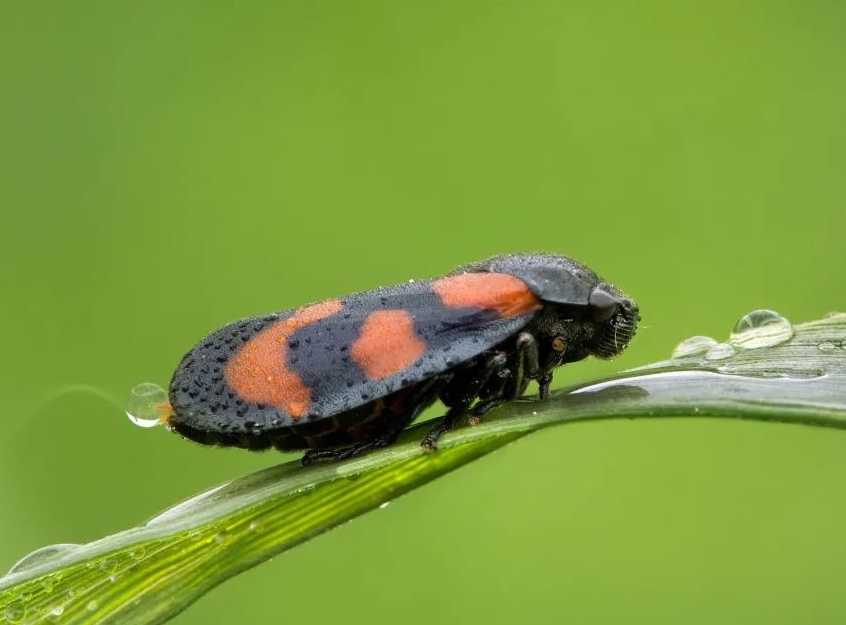
Spittlebugs: Nature's Mighty Jumpers and Foam - Nest Builders
Spittlebugs, remarkable for their athletic leaping abilities, rank among the strongest jumping insects on the planet. These tiny arthropods, belonging to the family Cercopidae, blend plant - feeding habits with a unique parental strategy, making them a fascinating subject in entomology.
1 minute read
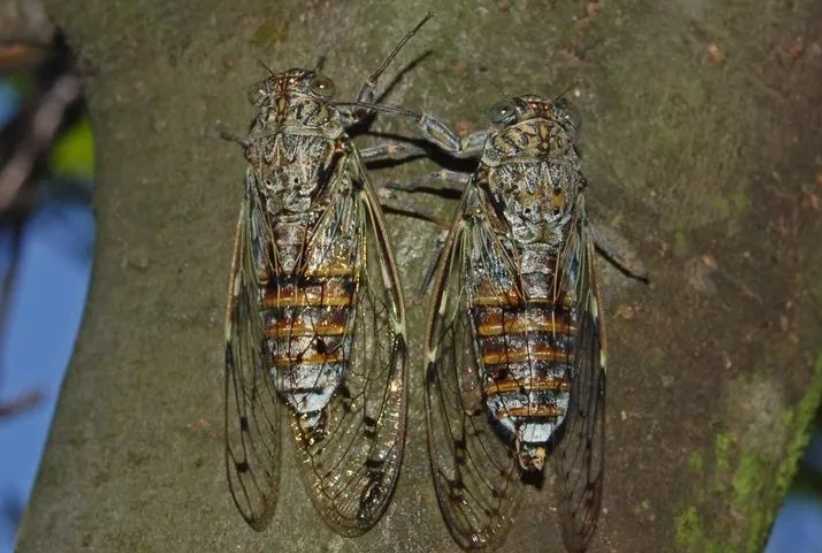
Cicadas: The Resonant Insects of Temperate to Tropical Climes
Cicadas, iconic insects inhabiting temperate to tropical regions worldwide, are renowned for their deafening calls—and often reviled for the noise that earns them a reputation as bothersome pests. These arthropods, belonging to the family Cicadidae, blend distinctive physical traits with a life cycle that spans years underground before their brief, noisy emergence.
1 minute read
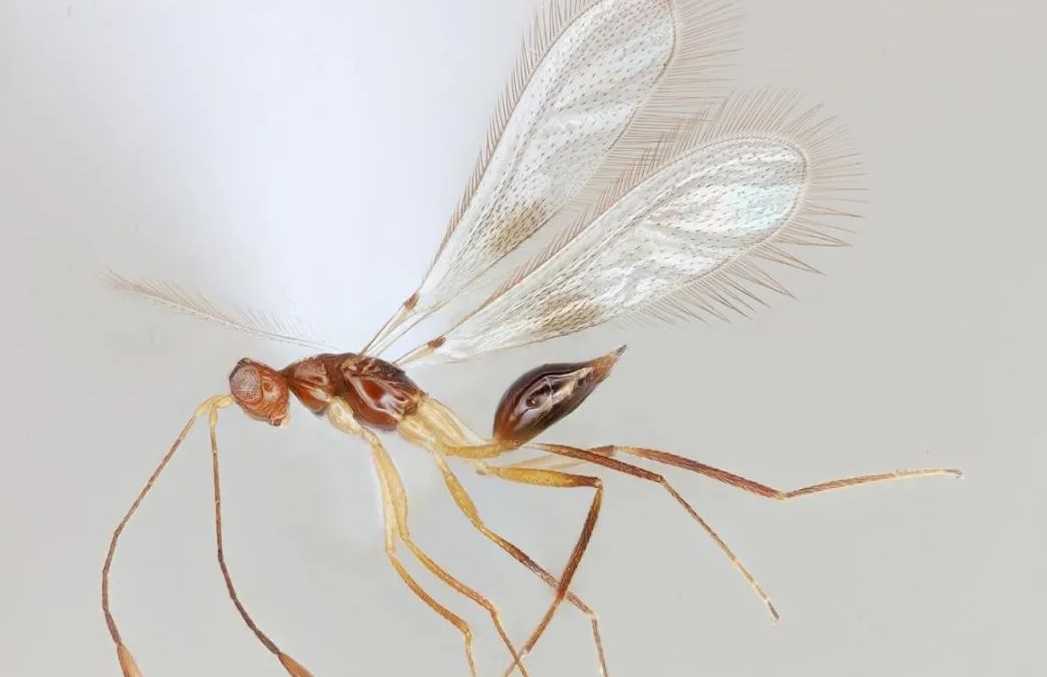
Fairyflies: The World's Tiniest Insects with a Mighty Role in Pest Control
Fairyflies, belonging to the family Mymaridae, hold the title of some of the smallest insects on Earth, measuring a mere 0.2 millimeters in length. These minuscule flyers, smaller than the eye can easily perceive, have evolved an extraordinary lifestyle as parasitic wasps, specializing in a unique ecological niche that benefits both nature and agriculture.
1 minute read
Australian Dragonfly: The Speedy Giant of the Insect World
The Australian dragonfly (Austrophlebia costalis), renowned as one of the fastest insects on Earth, boasts a breathtaking short - distance sprint speed of up to 58 kilometers per hour. As the largest among the 5,000+ dragonfly species, this majestic insect stretches up to 12 centimeters in length, blending imposing size with unparalleled aerial agility.
1 minute read