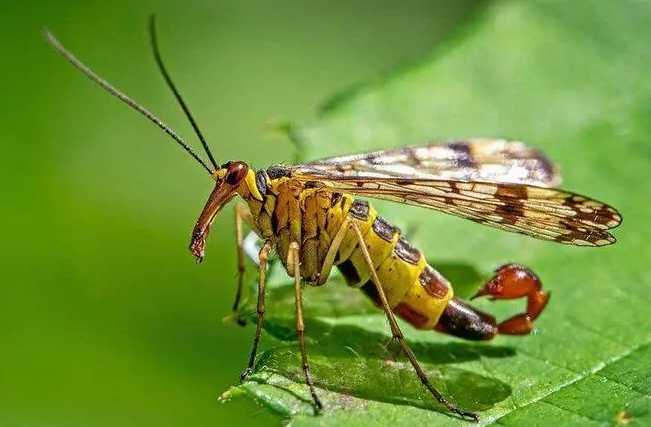
Scorpionflies: The Insects with a Deceptive 'Scorpion Tail'
In forests and meadows worldwide, scorpionflies (order Mecoptera) perplex onlookers with a curious feature: a tail that resembles a scorpion’s stinger, but serves an entirely different purpose. Contrary to appearances, this bulbous, curved appendage at the insect’s rear is not a venomous weapon—but rather the male’s elaborate genitalia, a bizarre evolutionary trait that has fascinated entomologists for centuries.
1 minute read
The Bizarre Hallucigenia: Once Earth’s Most Abundant Animal
The Hallucigenia, an enigmatic creature from the Cambrian period, remains one of paleontology’s strangest mysteries. With a tubular body adorned by spines and paired appendages, this worm-like animal once thrived in ancient seas, dominating ecosystems as one of Earth’s most populous species—only to vanish millions of years ago, leaving behind fossil clues that perplex scientists.
1 minute read

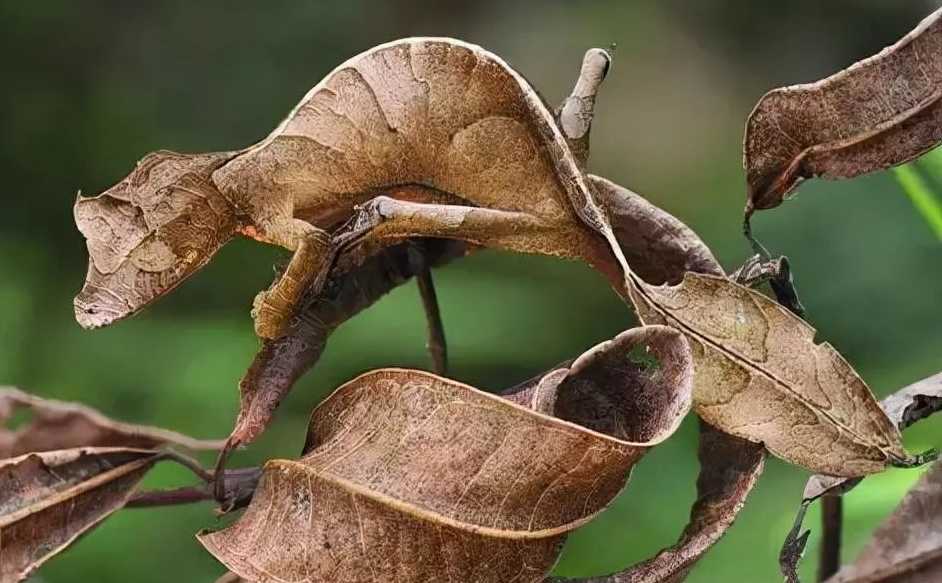
The Satanic Leaf-Tailed Gecko: A Master of Camouflage Named for Its Dead-Leaf Tail
Native to the rainforests of Madagascar, the Satanic leaf-tailed gecko (Uroplatus phantasticus) earns its dramatic name from a tail that perfectly mimics a decaying leaf—ripped edges, veins, and even brownish "spots" that blend seamlessly with forest litter. This nocturnal reptile, one of the most iconic examples of evolutionary camouflage, has captivated herpetologists and nature enthusiasts with its otherworldly appearance and cryptic lifestyle.
2 minute read
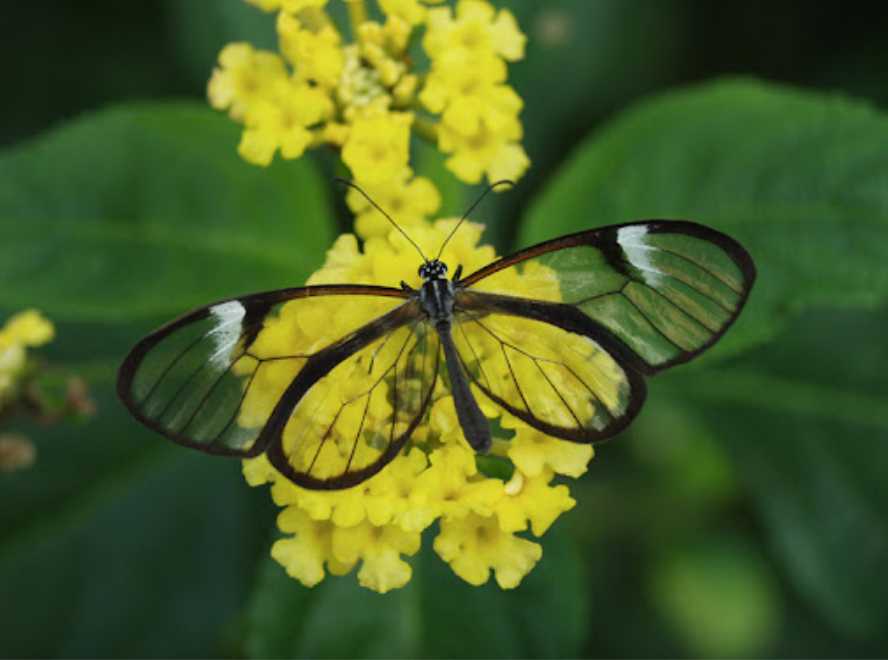
The Glasswing Butterfly: Nature’s Transparent Wonder Hunted for Its Elusive Beauty
Scientifically named Greta oto, the glasswing butterfly belongs to the family Nymphalidae, subfamily Danainae, tribe Ithomiini, and subtribe Gretae. Renowned for its ethereal, translucent wings, this Central and South American species has evolved a survival strategy that paradoxically draws human attention—turning its natural defense against predators into a curse.
2 minute read
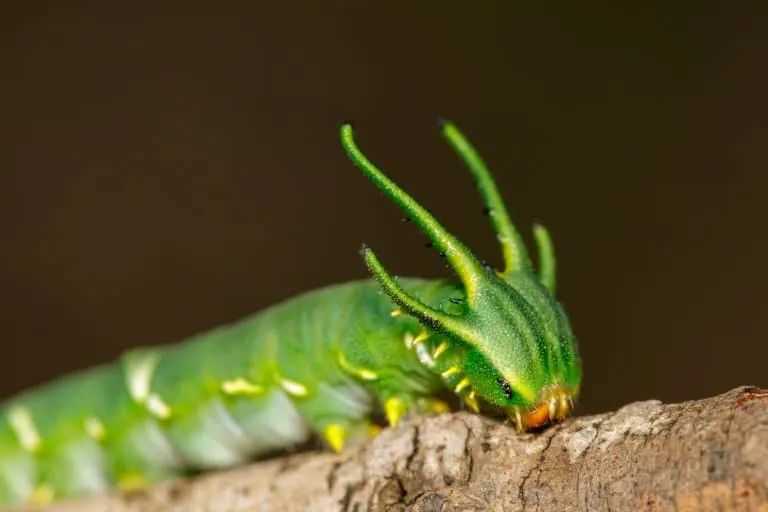
The Dragon Head Caterpillar: Nature’s Dramatic Mimic with a Widespread Surprise
Renowned for its horned "head capsule"—a specialized thoracic segment that resembles a dragon’s face—the dragon head caterpillar may look otherworldly, but it thrives across North America and Eurasia. Belonging to the sphinx moth family (Sphingidae), this larva uses its striking appearance as a masterclass in predator deterrence, proving that dramatic adaptations often evolve in common species.
1 minute read
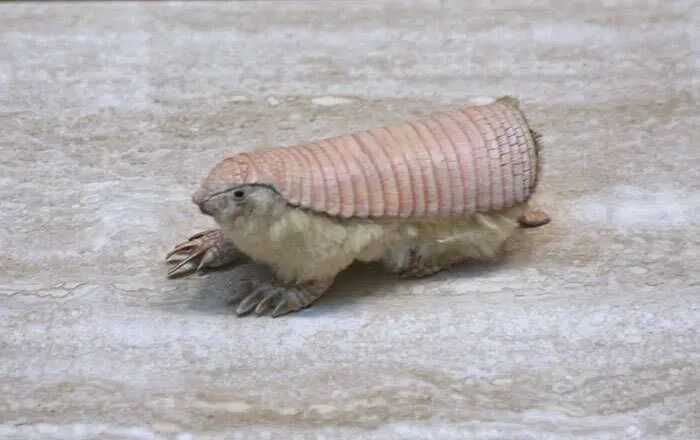
The Pink Fairy Armadillo: World’s Tiniest Armor-Clad Wonder with a Fluffy Pink Hue
Known as the pygmy armadillo or pink fairy armadillo (Chlamyphorus truncatus), this species holds the title of the smallest armadillo. Excluding its tail, it measures just 90 to 115 millimeters in length, blending delicate pink scales with a velvety white underbelly. Native to Argentina’s central grasslands, it’s a master of subterranean life, rarely seen above ground.
1 minute read
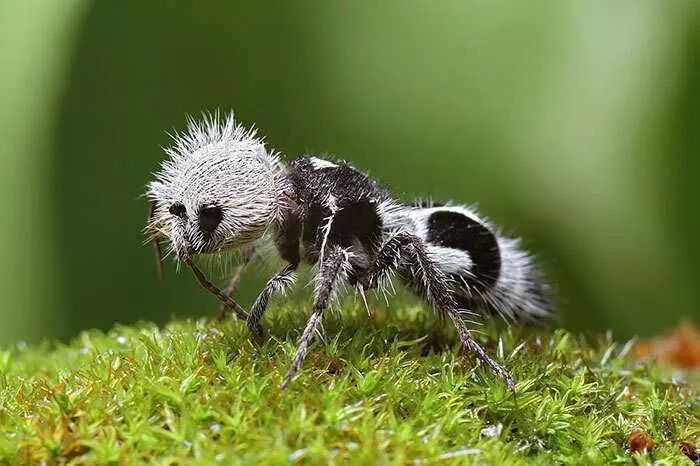
The Panda Ant: Deceptive Black-and-White 'Ant' That's Actually a Wingless Wasp
Despite its name and ant-like appearance, the panda ant (Myrmecopsis sp.) is a wingless wasp belonging to the family Mutillidae. Found in arid regions of Chile and parts of Argentina, this striking insect has captivated entomologists with its black-and-white coloration—a pattern that belies its true identity and hides a painful secret.
2 minute read
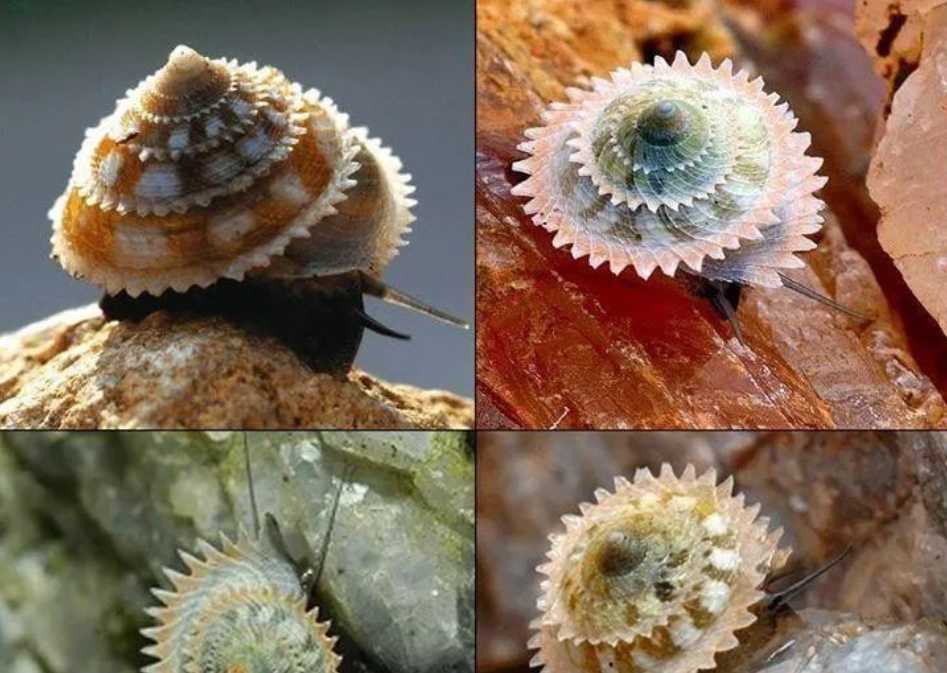
Cuba’s Iconic Star-Wheeled Saw Snail: A Serrated Marvel Unique to Earth’s Ecosystems
Native to Cuba’s limestone-rich regions, the star-wheeled saw snail (Priotrochatella stellata) stands as a testament to nature’s evolutionary artistry. This critically endangered gastropod, endemic to the Caribbean island, is instantly recognizable by its geometrically serrated shell—unmatched by any other snail species. Discovered in the mid-19th century, this 12–15 mm mollusk thrives in humid forests despite mounting threats.
1 minute read
Cuba’s Enigmatic Callonia Snail: Scaled Funnel Shell Redefines Mollusk Morphology
Endemic to Cuba’s mist-shrouded mountain ranges, the Callonia snail (genus Callonia) perplexes biologists with its scale-covered, funnel-shaped shell—an evolutionary departure unmatched in the mollusk kingdom. Discovered in the 1930s, this rare gastropod thrives in cloud forests above 1,000 meters, its unique form hinting at adaptations to Cuba’s karst landscapes. Though poorly studied, its striking shell has become a symbol of island biodiversity under threat.
1 minute read
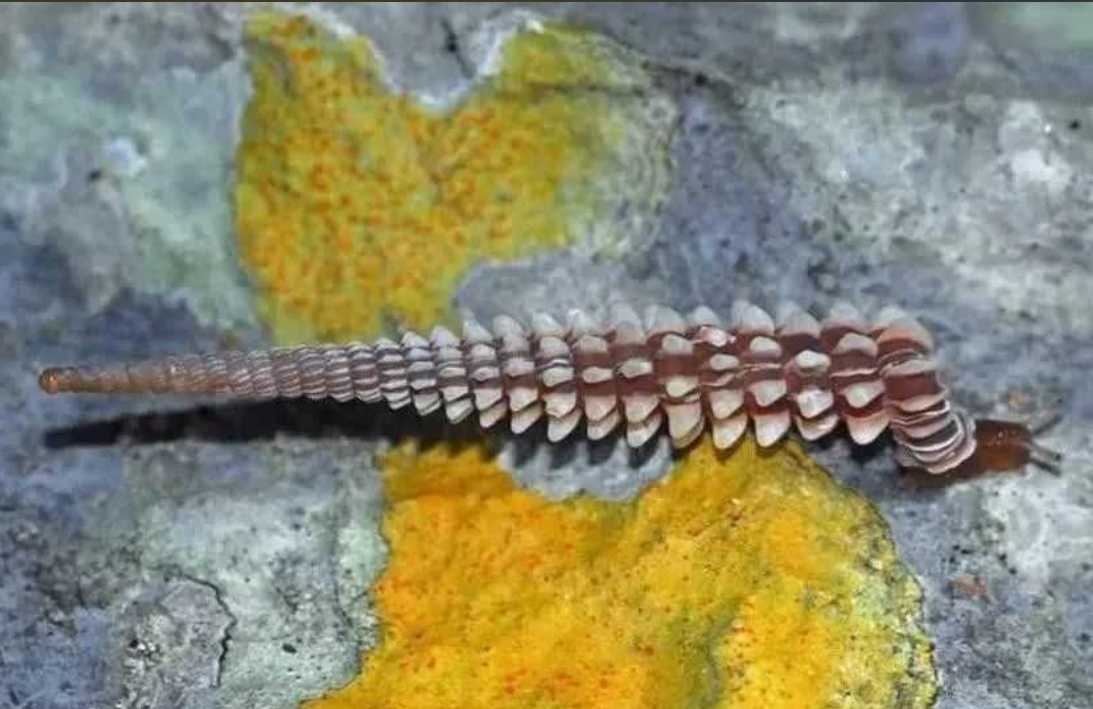
Ecuador’s 'Popcorn Bug': Flying Planthopper Nymphs Defy Predators with Waxy Camouflage
Deep in Ecuador’s cloud forests, a tiny insect nicknamed the "popcorn bug" has captivated scientists with its uncanny resemblance to a flying kernel of popcorn. The nymph stage of a Fulgoridae planthopper, it secretes a fluffy waxy coating that transforms it into a living mimic of bird droppings or spider cocoons—while flitting through the air like a speck of popped corn. Discovered in the Andean foothills, this insect’s survival strategy showcases nature’s most whimsical defenses.
1 minute read
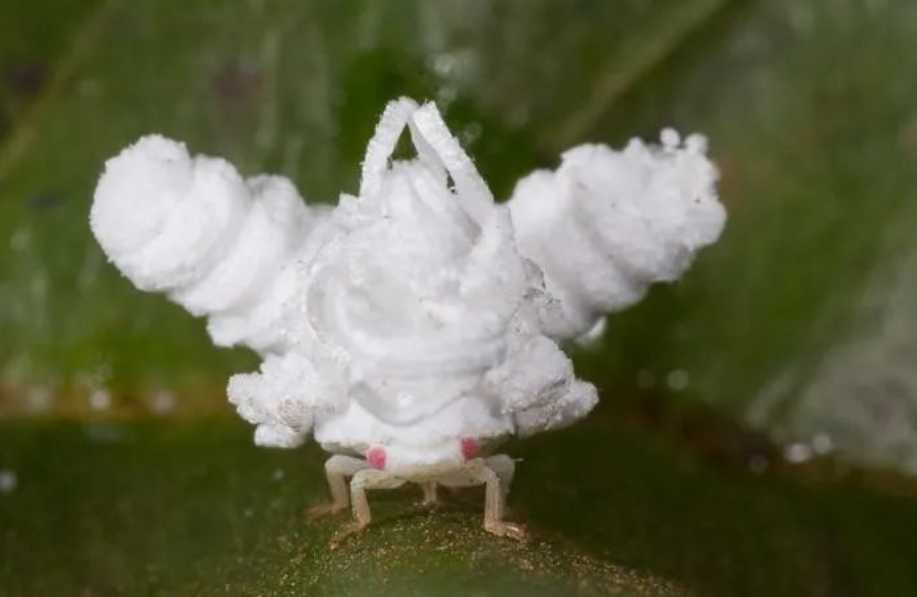
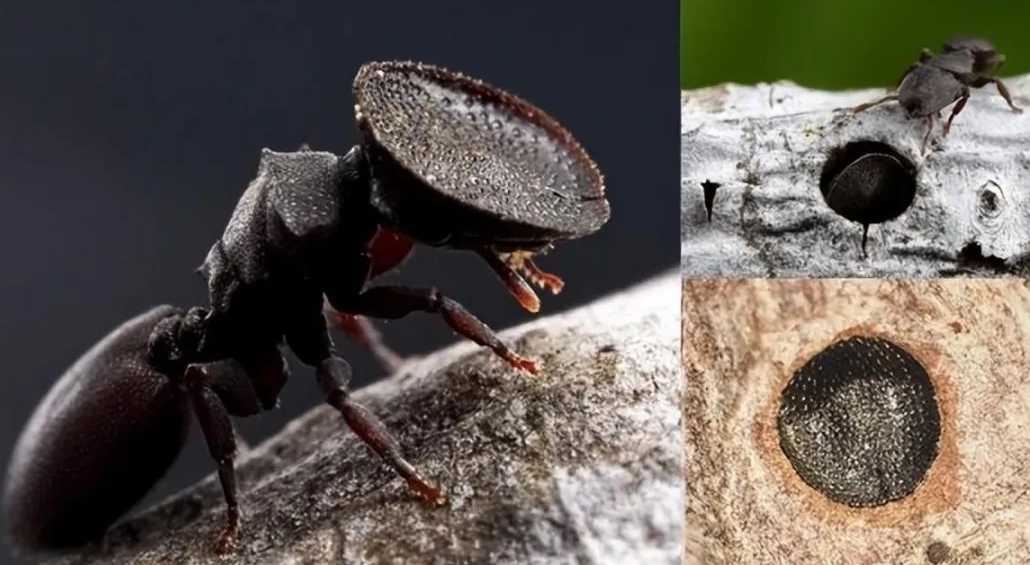
The Helmeted Turtle Ant: America’s Living Shield with a Disc - Shaped Head
Native to the tropical forests of the Americas, the helmeted turtle ant (Cephalotes varians) is renowned for its flattened, disc - like head that resembles a natural shield. A member of the turtle ant genus, this species has evolved an extraordinary defense mechanism: when threatened, worker ants plug their nest entrances with their armored heads, acting as living barricades to fend off intruders.
2 minute read