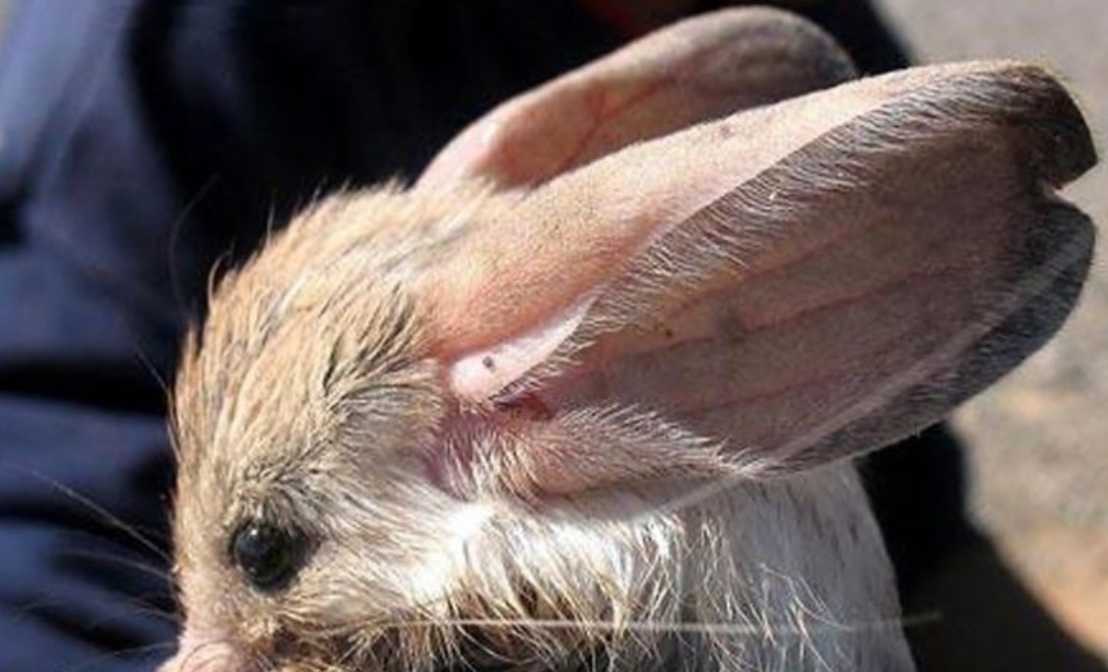
The Long-Eared Jerboa: A Desert Dweller with Ears Larger Than Its Body
Native to the arid deserts of Mongolia and northern China, the long-eared jerboa (Euchoreutes naso) defies expectations with its disproportionately giant ears, which can reach up to 6 centimeters—longer than its entire head and body combined. This mouse-sized rodent, adapted to survive in harsh desert environments, has captivated scientists and animal enthusiasts alike with its bizarre appearance and unique behavioral traits.
2 minute read
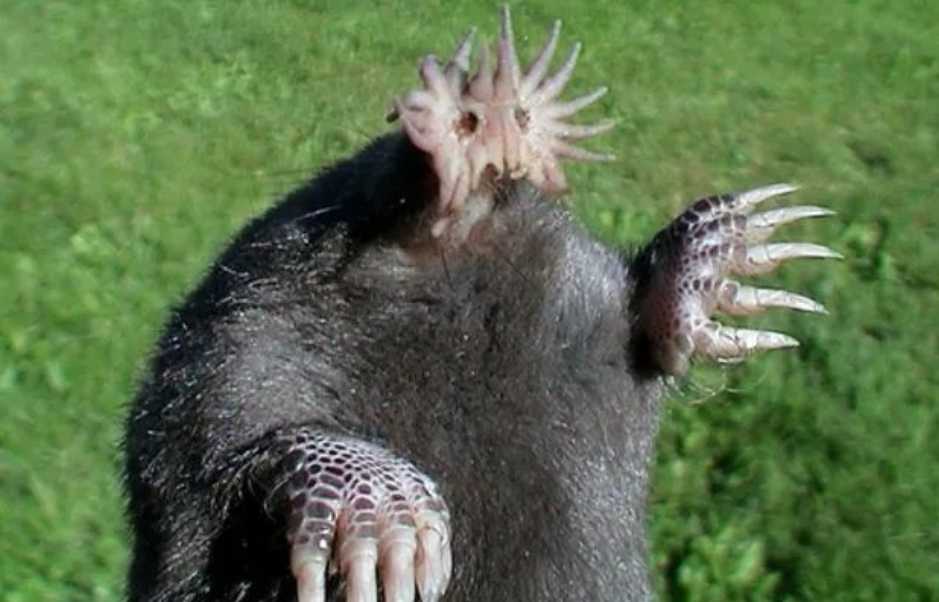
The Star-Nosed Mole: Nature’s Most Extraordinary Nose in North America
Native to North America, the star-nosed mole is a small mammal measuring 15–20 cm in length, inhabiting wetland ecosystems. Its name stems from the 22 pink, star-shaped tentacles surrounding its nose—a unique feature that sets it apart in the animal kingdom.
1 minute read
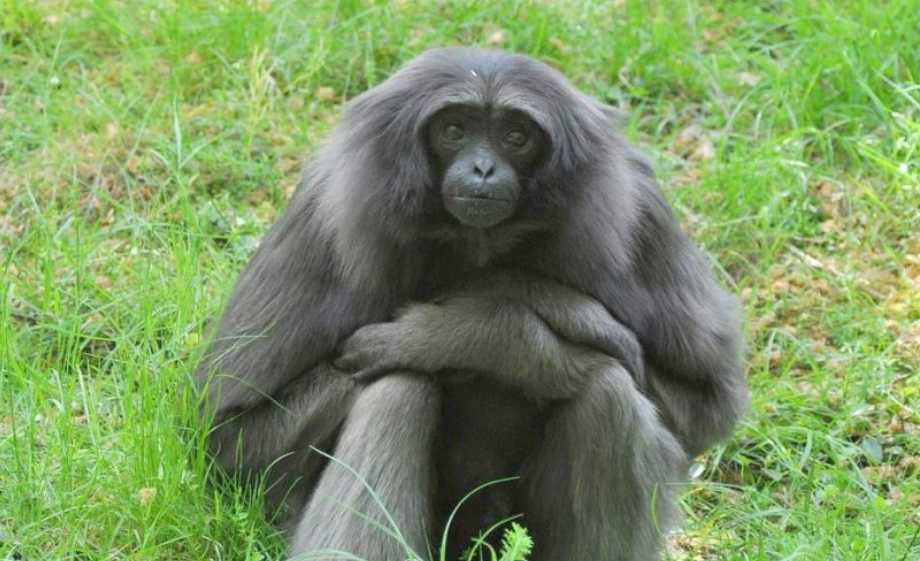
The Grey Gibbon: A Primate with an Expressive Face of Innocence and Subtle Sorrow
In the lush rainforests of Southeast Asia, the grey gibbon (Hylobates moloch) stands out not just for its agile brachiation but for its remarkably human-like facial expressions. With large, soulful eyes and a permanent expression that blends innocence with a hint of melancholy, this arboreal primate has captivated observers, sparking curiosity about the emotions behind its unique countenance.
2 minute read
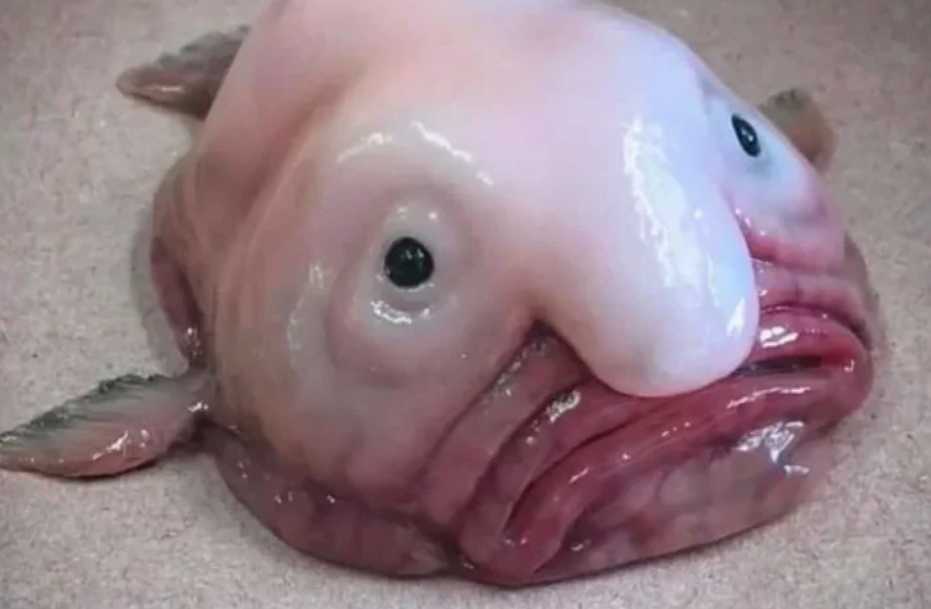
The Blobfish: Deep-Sea Oddity Named World’s Ugliest Animal
Scientifically known as Psychrolutes marcidus, the blobfish inhabits 600–1,200m deep-sea waters, measuring 30–38 cm in length. This gelatinous creature lacks bones and muscles, with a body density slightly lower than water—enabling it to float passively while capturing prey.
1 minute read
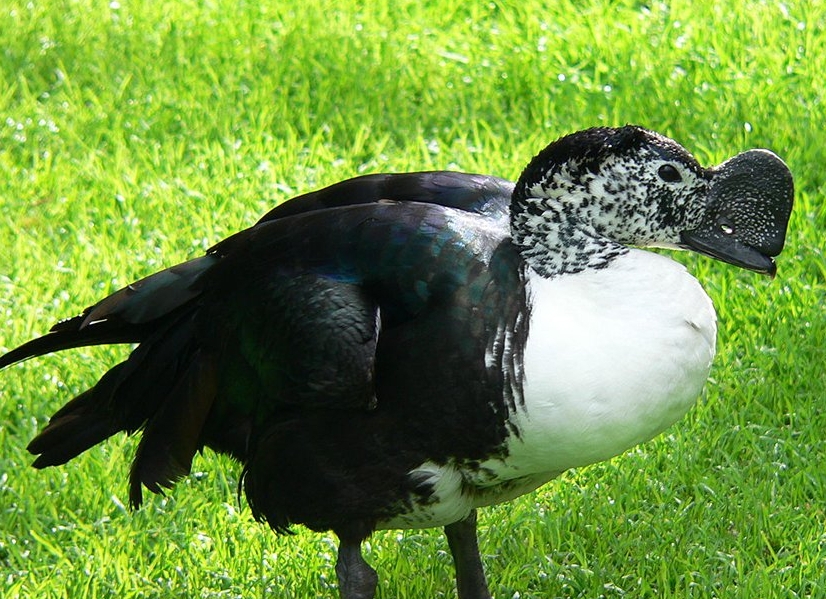
The Knob-billed Duck: A Large, Bizarre-Looking Waterfowl with Unique Features
Native to wetlands across South Asia, Africa, and parts of Australia, the knob-billed duck (Sarkidiornis melanotos), named for its distinctive facial protuberance, stands out as one of the most unusual-looking waterfowl species. This large duck, with its striking appearance and quirky physical traits, has long fascinated ornithologists and birdwatchers.
2 minute read
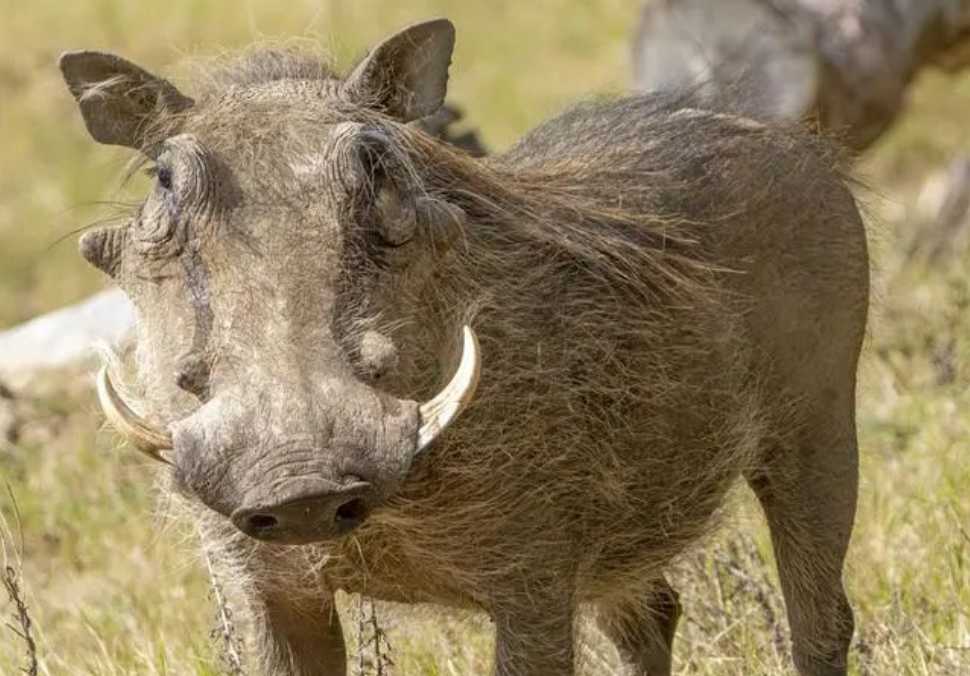
The Warthog: Africa’s Grotesque Yet Resilient Oddity
Native to Africa, warthogs (Phacochoerus) earn their name from the fleshy facial warts beneath their eyes. Split into the common warthog and desert warthog, these ungulates have heads comprising one-third of their body length, with tusks reaching 64 cm. They subsist on grass roots and tubers, surviving months without water—adaptations that define their harsh savanna lifestyle.
1 minute read
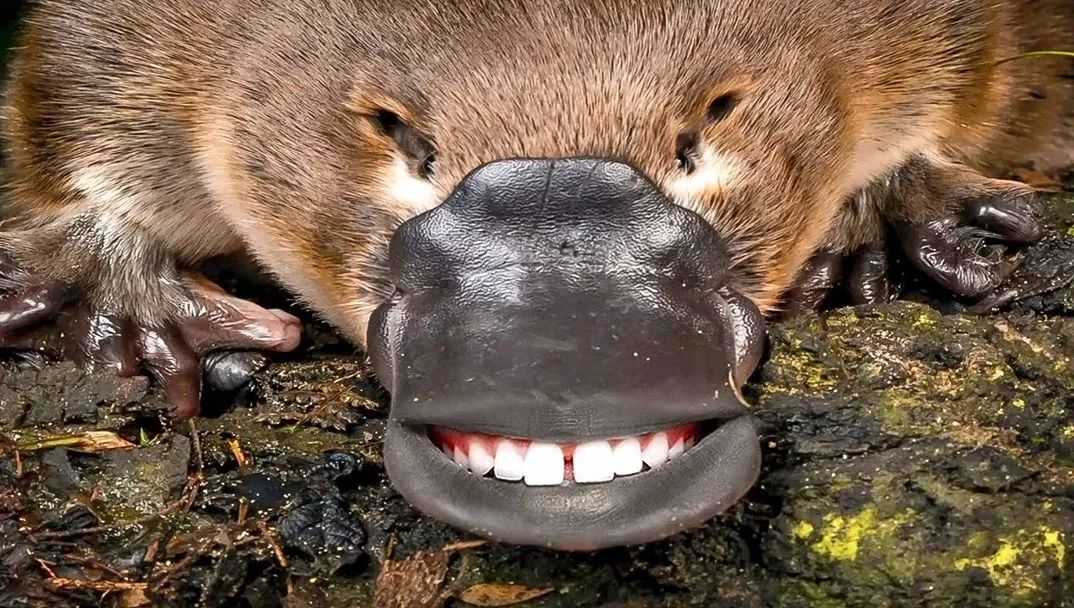
The Platypus: Australia’s Bizarre Patchwork of Evolutionary Oddities
Native to Australia, the platypus (Ornithorhynchus anatinus) is a 30–60 cm monotreme that defies biological categorization, blending mammalian, avian, and reptilian traits. Feeding on aquatic insects, this primitive mammal lays eggs—a rarity among mammals—and is so unique it appears on Australia’s 20-cent coin as a national emblem.
1 minute read
The Eurasian Eagle-Owl: A Majestic Raptor with a Scruffy Adolescence
The Eurasian eagle-owl (Bubo bubo) ranks among the world’s largest owls, with a wingspan reaching 1.8 meters. Widespread across Eurasia, this apex predator inhabits forests and mountainous terrain, known for its deep, booming "hoo-hoo" calls and fierce territorial behavior. Classified as a national second-class protected animal in China, it commands respect as both a biological marvel and a cultural symbol.
1 minute read
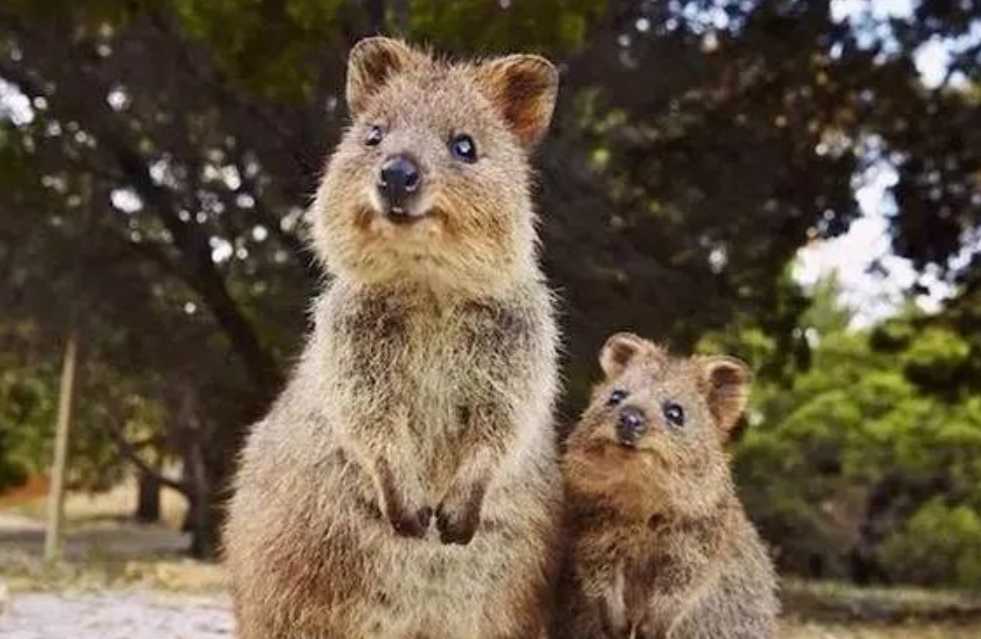
The Quokka: Australia’s Cheerful 'Smiling' Marsupial Endemic to Rottnest Island
Native to the coastal regions of Western Australia, the quokka (Setonix brachyurus) has won global hearts with its perpetually cheerful expression, often dubbed the "world’s happiest animal." This small marsupial, about the size of a domestic cat, thrives in scrublands and forests, captivating visitors and researchers alike with its friendly demeanor and unique evolutionary traits.
1 minute read
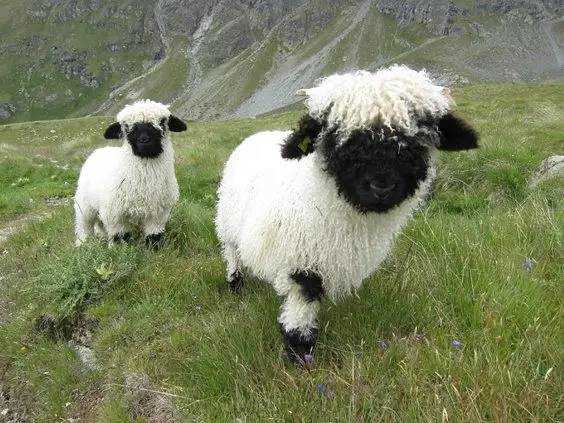
The Black-Nosed Sheep: A Charismatic Alpine Resident with Distinctive Monochrome Markings
Native to the mountainous regions of Switzerland and Austria, the black-nosed sheep (Ovis aries) stands out for its striking appearance: a jet-black face, ears, knees, and legs contrast sharply with its thick, snowy-white fleece. This medium-sized breed, adapted to harsh alpine environments, has become an iconic symbol of mountain landscapes, blending practical resilience with undeniable charm.
1 minute read
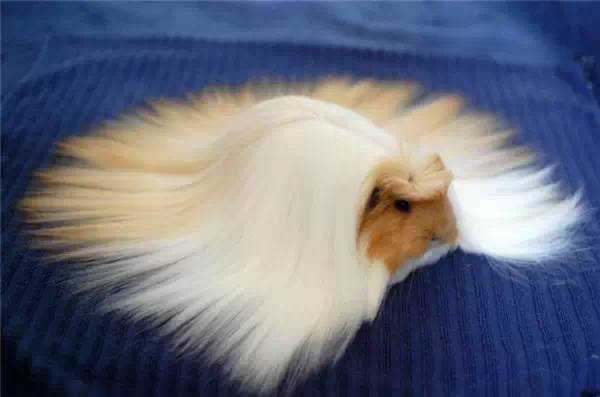
The Long-Haired Guinea Pig: A Fluffy Companion with a Rich Historical Background
Native to the Andes Mountains of South America, the long-haired guinea pig, often known as the "Peruvian guinea pig" or "Sheltie," has captivated pet enthusiasts worldwide with its flowing, silky fur and gentle demeanor. Descended from wild cavies domesticated by the Incas over 3,000 years ago, these rodents blend practical utility with ornamental appeal, standing out as both charming companions and living links to ancient Andean culture.
1 minute read
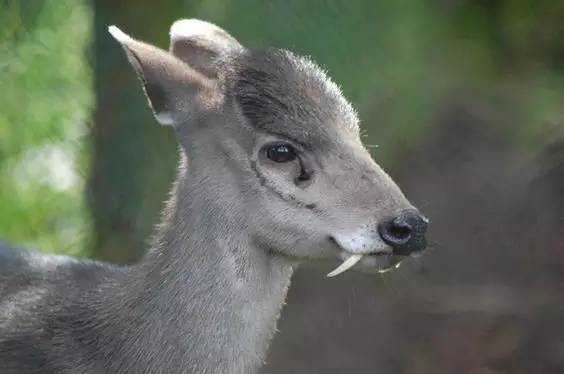
The Black Muntjac: A Rare and Elusive Deer Species with Unique Physical Traits
Native to the mountainous forests of southeastern China, the black muntjac (Muntiacus crinifrons), also known as the "black tufted deer," stands out as one of Asia’s most enigmatic deer species. Recognized for its jet-black fur, distinctive tuft of hair on the forehead, and elongated canines in males, this medium-sized ungulate has captivated biologists due to its restricted range and vulnerable status in the wild.
2 minute read
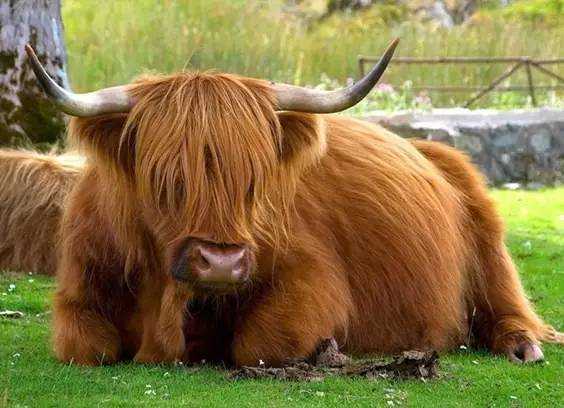
Miniature Highland Cattle: The Adorable 'Fluffy Cows' with Trendsetting Bangs
Native to the Scottish Highlands, miniature Highland cattle have skyrocketed to fame for their shaggy, over-the-eye bangs and plush, reddish-brown coats, earning them nicknames like "fluffy cows" or "nature’s hipsters." These pint-sized bovines, bred from their larger Scottish ancestors, stand just 80–100 cm at the shoulder, blending rustic hardiness with undeniable cuteness.
1 minute read
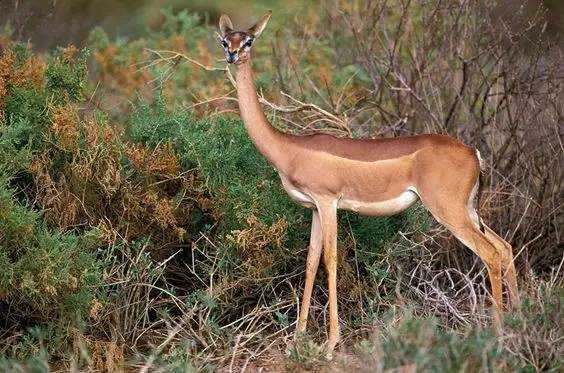
The Gerenuk: Africa’s Graceful 'Giraffe-Necked' Antelope
Native to the arid savannas and thornbush plains of East Africa, the gerenuk (Litocranius walleri), often called the "giraffe-necked antelope," stands out with its elongated neck, slender legs, and unique feeding behavior. This medium-sized antelope, found in countries like Kenya, Somalia, and Ethiopia, has evolved extraordinary adaptations to thrive in its harsh, resource-scarce habitat.
2 minute read
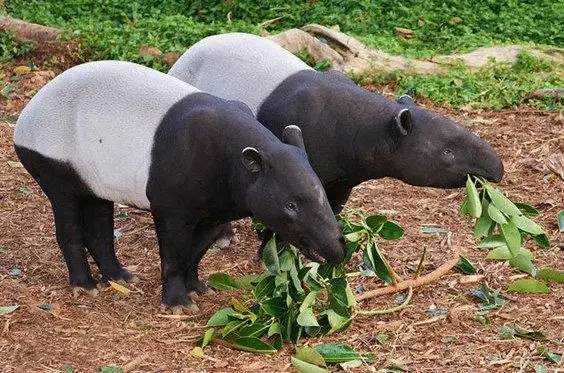
The Malayan Tapir: Southeast Asia’s Elusive 'Living Fossil' with a Distinctive Black-and-White Coat
Native to the dense rainforests of Malaysia, Thailand, and Sumatra, the Malayan tapir (Tapirus indicus), also known as the Asian tapir, stands out as one of the region’s most unique and endangered mammals. Recognized by its striking black-and-white coloration and prehensile snout, this large herbivore is often called a "living fossil" due to its ancient lineage and primitive features.
2 minute read