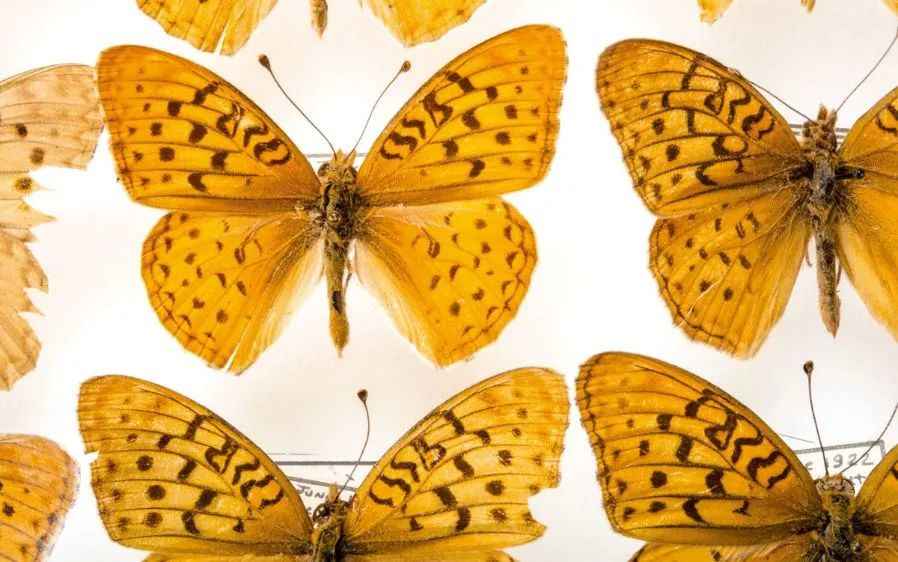
The Atossa Fritillary: A Lost Gem of Southern California’s Mountains, Last Sighted in 1959
The Atossa fritillary (Speyeria adiaste atossa), a butterfly once common in Southern California’s mountain regions, is feared extinct, with no confirmed sightings since 1959. Characterized by its broad wings decorated with elegant black spots, the species once thrived across the area’s rugged landscapes.
1 minute read
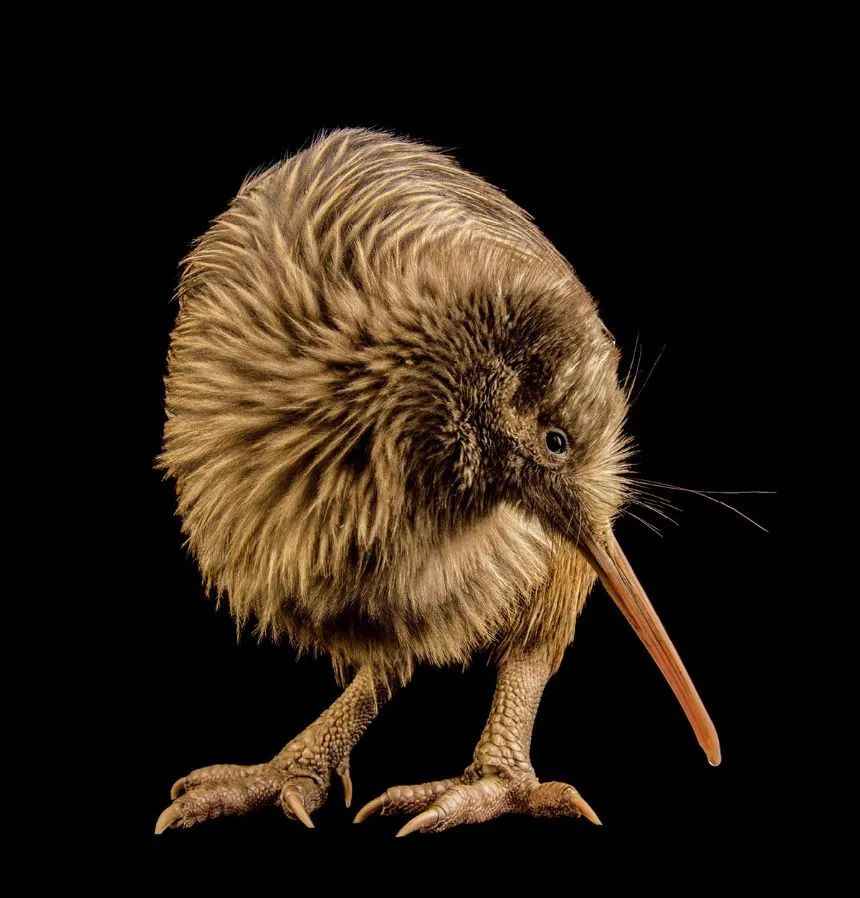
Endemic Okarito Brown Kiwis in New Zealand Face Severe Threat from Invasive Species
WELLINGTON, July 17 (Xinhua) -- The Okarito brown kiwi (Apteryx rowi), a flightless bird endemic to New Zealand, is teetering on the brink of a growing survival crisis. Classified as "Vulnerable" by the International Union for Conservation of Nature (IUCN), this unique species is grappling with relentless threats from invasive predators like stoats, which have wreaked havoc on their nests and chicks, putting the entire population at risk.
1 minute read
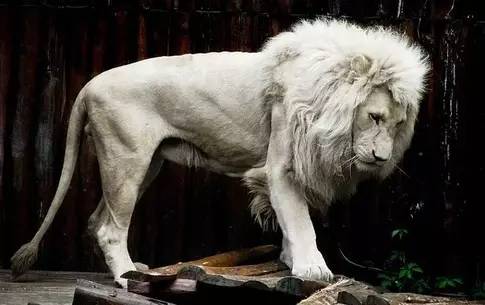
The Albino Lion: Rare Genetic Marvel and Cultural Icon of the Savanna
Albino lions, though often mistaken for white lions, are a distinct genetic rarity characterized by complete lack of melanin, resulting in pure white fur, pink skin, and pale blue or red eyes. Unlike white lions (which have a recessive color gene), albinism in lions is caused by a mutation in the TYR gene, inhibiting tyrosinase production—a enzyme crucial for pigment formation. These majestic creatures have captivated humanity for centuries, blending scientific curiosity with cultural mystique.
1 minute read
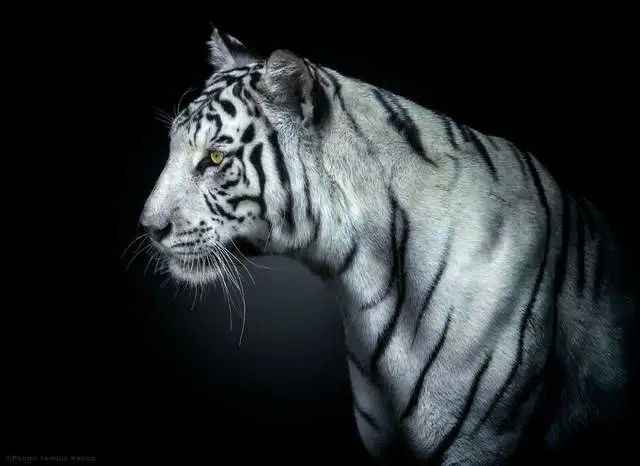
Bengal Tigers in Crisis: Over 96% of Wild Population Lost in a Century
The global population of Bengal tigers currently stands at approximately 24,000, but a closer look at the figures reveals a worrying reality: only around 3,200 of these majestic creatures live in their natural wild habitats, while nearly 20,000 are in captivity. This stark contrast becomes even more alarming when compared to historical records.
1 minute read
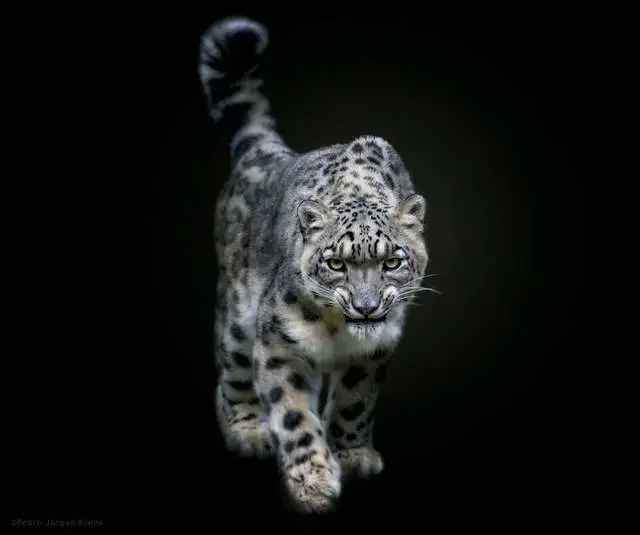
The Ghost of the Himalayas: Unveiling the World's Most Enigmatic Big Cat
The snow leopard, known as the "ghost of the mountains," ranks among the world's most elusive big cats. Inhabiting the Himalayan range and high-altitude regions of Central Asia, they dwell at elevations between 3,000 and 5,500 meters. The extreme cold, rugged terrain, and remote location create a natural geographical barrier, keeping them largely isolated from human contact.
2 minute read
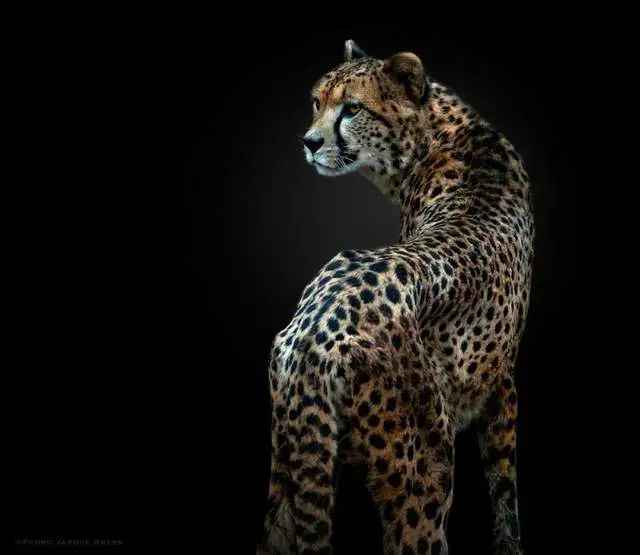
Cheetah Populations Collapse: Iconic African Species Edges Toward Extinction
NAIROBI, Kenya — July 18, 2025 — Once numbering around 100,000 across Africa in the 20th century, the cheetah population has plummeted to a mere 7,500 individuals today, pushing the world’s fastest land animal onto an ever-growing list of species teetering on the brink of extinction. This dramatic decline underscores a crisis that threatens to erase one of Africa’s most iconic predators.
1 minute read
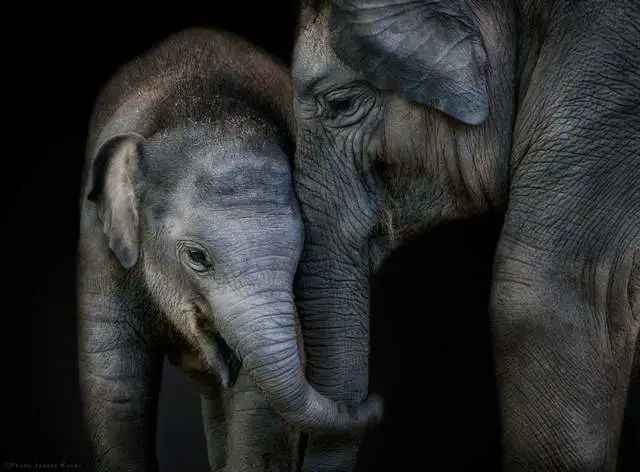
Asian Elephants vs. African Elephants: Key Differences, Hybridization Barriers, and Shared Endangerment
Asian elephants and African elephants, the two largest land mammals on Earth, exhibit numerous distinct differences and face significant genetic barriers to interbreeding.
1 minute read
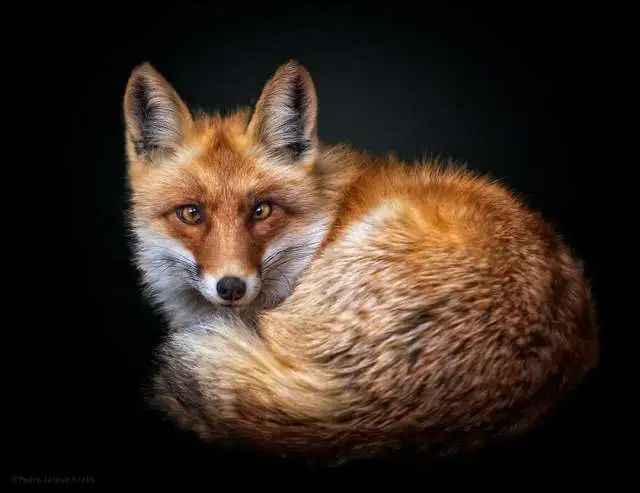
Red Fox: A Master of Adaptation in the Wild
Red foxes, scientifically known as Vulpes vulpes, are among the most widespread and adaptable carnivores on Earth, thriving across diverse habitats from the frozen tundras of the Arctic to the bustling outskirts of urban centers. Their iconic rusty-red coat, white underbelly, and bushy tail—often tipped with white—make them easily distinguishable, while their pointed ears and sharp snouts reflect their keen senses, critical for survival.
1 minute read
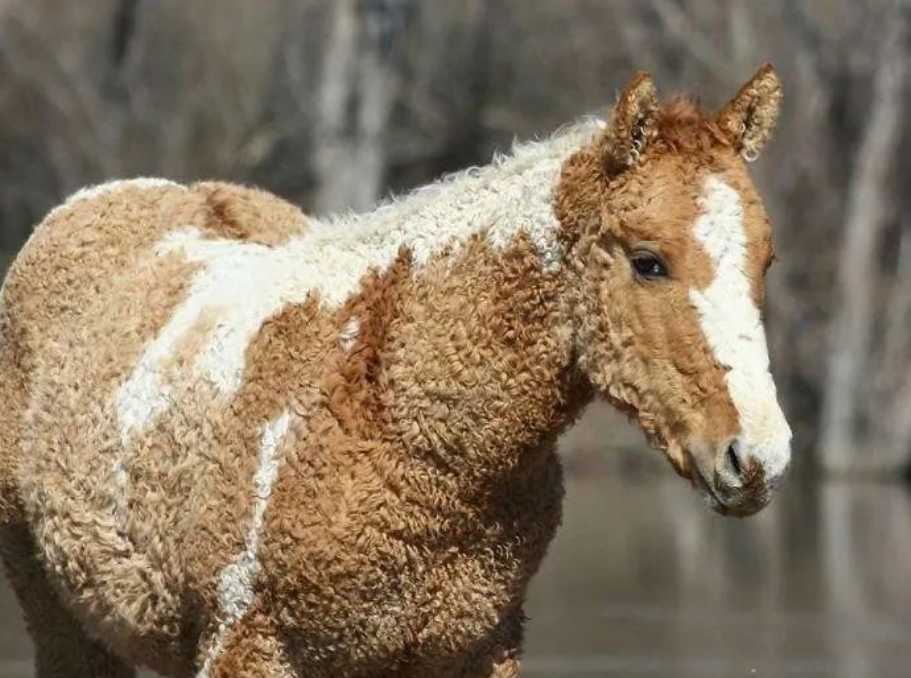
The Bashkir Curly Horse: Nature’s Living Mane Masterpiece Bred by Bashkir People
Hailing from the Ural Mountains of Russia, the Bashkir curly horse (Bashkirskaya Kruglaya) stands out with its most iconic trait—dense, spiral - curled fur that resembles a meticulously styled perm. Bred for centuries by the Bashkir people, this rare breed combines striking aesthetics with remarkable hardiness, thriving in the harsh climates of its native land.
2 minute read
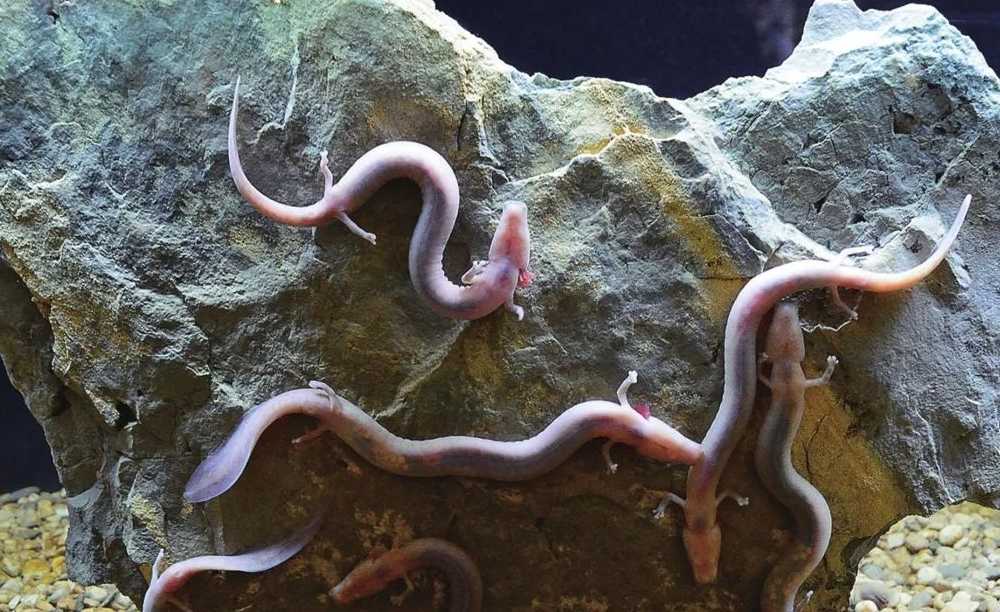
The Olm: Nature’s Living 'Dragon' of Alpine Caves
Often hailed as the closest real-life counterpart to mythical dragons, the olm (Proteus anguinus) dwells in the limestone caves of the Alps. With a serpentine body, tiny limbs, and three pairs of vibrant red feathery gills, this amphibian bears an uncanny resemblance to legendary dragon depictions—minus scales. Native to underwater cave systems in Slovenia, Croatia, and Bosnia, it has inspired myths for centuries, and its image is frequently misused in online hoaxes claiming to show "baby dragons."
2 minute read
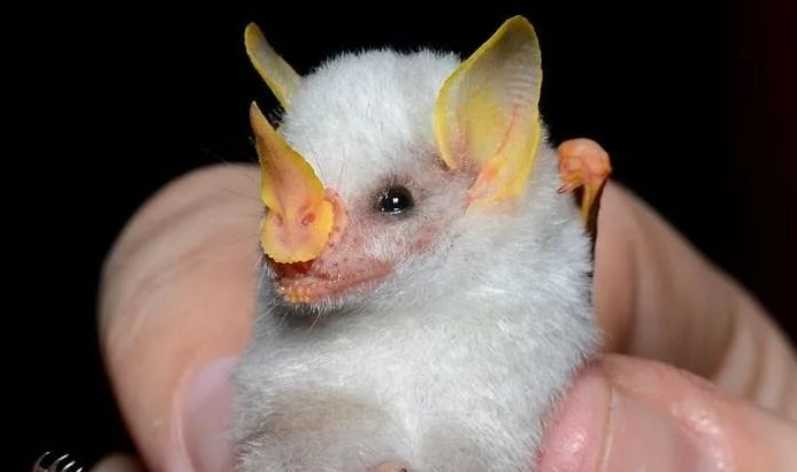
The Honduran White Bat: Nature’s Fluffy, Pastel-Colored Flying Puffball
Hailed as the world’s cutest bat, the Honduran white bat (Ectophylla alba) charms with its snowy-white fur, vibrant orange nose, ears, and wings—a whimsical color palette that defies all bat stereotypes. Native to the rainforests of Central America (Honduras, Nicaragua, Costa Rica, and Panama), this tiny chiropteran measures just 3–5 cm long, making it one of the smallest bat species on Earth. Its cottony appearance and miniature size have earned it a reputation as the "teddy bear of the bat world."
2 minute read